
Why focus of leadership has increased on Transport Management over Facility Management in the last few years?

Somewhere between the third delayed cab of the week and yet another groggy Monday morning, leadership started noticing something. Corporate mobility management was not just one more admin thing anymore. It kept showing up everywhere. In output. In moods. In attendance sheets. Even in that half-joking, half-annoyed chatter near the coffee machine. Slowly, almost without anyone announcing it, employee commute management pushed itself ahead of traditional facility management on the priority list.
Why leadership attention is drifting towards transport and staying there
Corporate mobility management used to sit quietly in the background. File closed. Vendor hired. Problem solved. Or at least that is what most people thought back then.
Now, not really.
These days, leaders see commuting for what it actually is. A daily pressure point that never fully switches off. It shapes how employees show up, mentally and physically, sometimes before the workday even starts. Transport management has slipped out of the back-office bucket and landed in the strategic zone, where things are planned, reviewed, questioned, re-questioned, and sometimes escalated late at night.
Why transport suddenly matters so much
Commuting hits close to home. Literally, and also emotionally.
In cities like Bengaluru or Mumbai, many employees spend 55 minutes each way just getting to work, a reality that reflects the growing commuting time faced by urban professionals. Over a year, this turns into weeks of life spent in traffic, staring at brake lights and listening to the same playlist on repeat. Businesses feel that drain too, even if it does not always show up neatly in reports.
Traditional corporate mobility management teams try to manage transport along with housekeeping, security, pantry vendors, and a dozen other things that never seem to end. It is a lot to carry. And transport does not behave like the rest. It is live. It shifts. Routes change. People call in sick at the last minute. Shifts move. One wrong turn, one late pickup, and suddenly the whole schedule feels off.
Transport needs real-time tracking, flexible routing, vendor discipline, safety compliance, and constant coordination with employees. Without dedicated ownership, inefficiencies show up fast. Sometimes uncomfortably fast.
Why companies have shifted focus from conventional way of managing transport to a Managed Mobility
This shift is not emotional. It is practical. And honestly, it should have happened earlier.
- Reliable travel keeps employees sane
When cabs arrive on time and feel safe, employees show up calmer and more focused. No frantic calls. No quiet resentment that builds over weeks. Over time, this steadiness lifts morale and reduces attrition, which leaders care about, even if they do not always say it out loud. - Smarter routes quietly cut costs
Better planning means fewer empty seats, less fuel burned, and vehicles used properly. Idle time drops. Environmental impact softens a bit. Budgets stop bleeding in small, almost invisible ways that add up later. - Live monitoring brings back control
Knowing where vehicles are, spotting delays early, fixing issues before they spiral. This changes things. Problems get handled before they mess with shifts, routines, or trust, and trust is fragile. - Scalability stops growth from becoming chaos
New cities. New teams. New shifts. A solid corporate mobility management absorbs these changes without daily disruption. Service quality stays steady. Policies do not unravel. People do not panic, at least not as much. - Data finally starts pulling its weight
Transport data is no longer just numbers sitting on a spreadsheet. It feeds workforce planning, risk assessments, compliance checks, and long-term investments. Mobility starts adding value beyond basic cost tracking, which feels overdue.
Transport Management vs Facility Management at Workplace
Facility management is broad by design. Transport is narrow and sharp in its own way.
Routes must be optimized. Vehicles allocated correctly. Compliance followed without shortcuts. Communication was kept clear. Even a small change in shift timing or pickup location can derail everything if systems are not built for movement, which happens more often than people admit.
This is why transport has turned strategic. When it fails, business performance takes a direct hit. Leaders now want visibility, predictability, performance tracking, and accountability. Specialized transport management meets these expectations far better than bundled FM models ever really did. Transport management vs facility management ultimately comes down to execution.
Productivity feels the impact first
Congestion in Indian cities quietly steals several productive hours from every employee each year. It adds up, whether companies track it properly or just feel it vaguely.
Structured corporate mobility management reduces that loss. People arrive on time. Less stressed. Better prepared. Attendance becomes more consistent. Planning becomes smoother. Teams function better. It is not magic. It is logistics done properly, with attention.
Safety and compliance cannot be casual
Night shifts. Women employees. High-risk routes. These are not edge cases anymore, even if they are sometimes treated like they are.
FM teams, already stretched thin, often cannot give safety this level of attention. Corporate mobility management specialists can, and usually do. GPS tracking, Dashcam monitoring systems, emergency response protocols, escalation chains, and regular audits. Risk exposure drops. Visibility improves. Employees start trusting the system again, and that trust takes time to build back once it cracks.
Cost control without constant firefighting
Conventional transport management hides costs everywhere. Last-minute route changes. Idle vehicles. Reactive hiring. Small inefficiencies that quietly balloon over time, and then surprise everyone later.
Specialists Managed Mobility Partners analyze patterns, not just invoices. They improve fleet utilization, refine routes, and reduce wastage. The result is transparency, budget predictability, and operational discipline. Finance teams get clarity. Employees get stable commutes. Everyone benefits, even if no one really celebrates it.
The commute shapes employee experience
Transport is one of the most visible parts of work life. When it fails, people feel it immediately. Stress. Fatigue. Disengagement. When it works, it fades into the background, which is exactly where it should be.
A smooth commute builds trust and consistency. It signals that the organization values time, safety, and routine. This matters even more now, with hybrid schedules and flexible hours becoming normal rather than special.
Technology actually helps when used sensibly
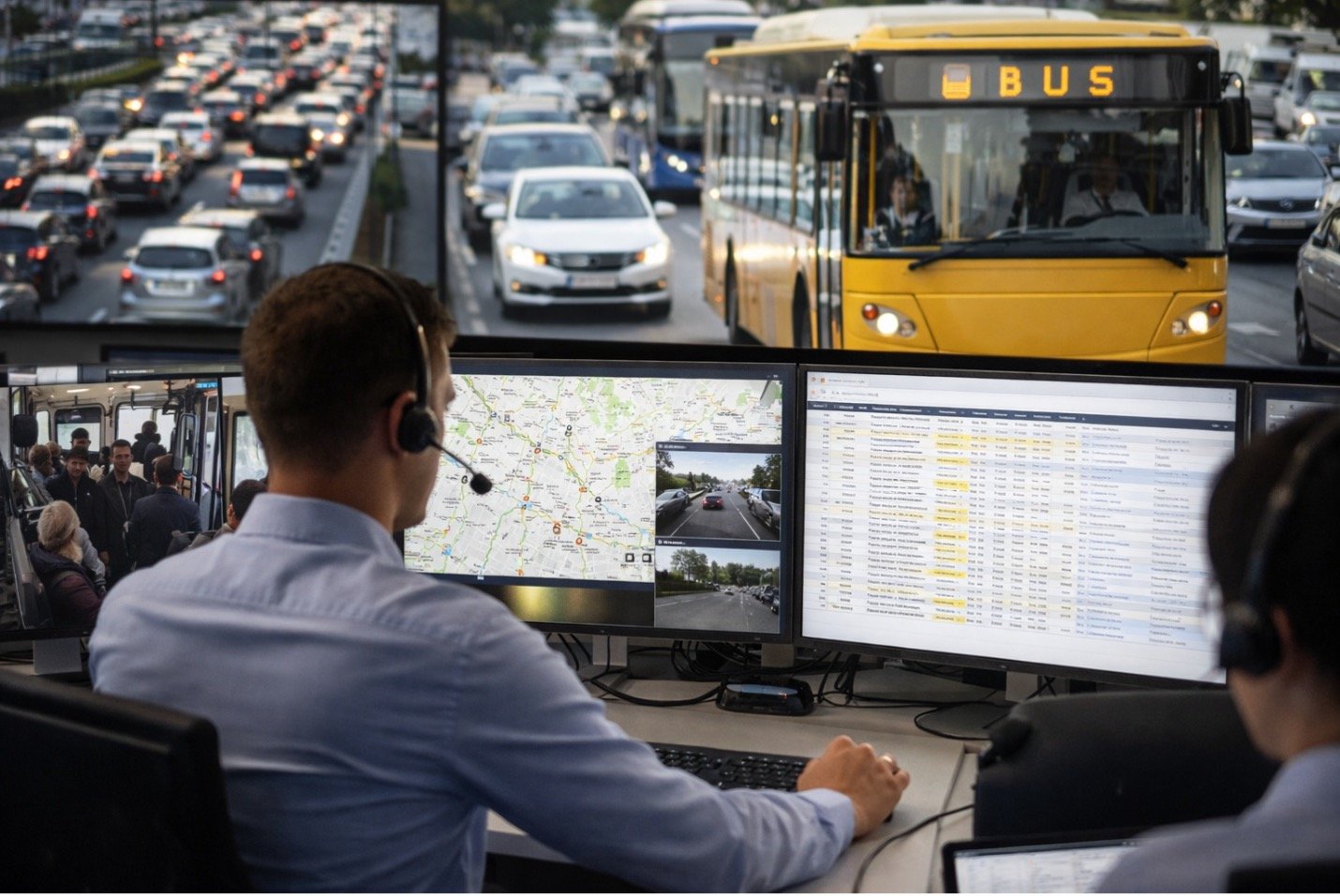
Modern corporate mobility management leans heavily on technology. Real-time tracking. Clear dashboards. Automated reports. Simple employee apps.
Managers know what is happening on the ground. Employees access routes and timings without chasing people repeatedly. Decisions become proactive. Responses get faster. Communication improves. Systems stay people-friendly instead of feeling intrusive or overly rigid.
Growth without friction
As companies expand into new cities and adopt hybrid models, rigid FM contracts struggle to keep up. Transport specialists build flexibility into the system from the start.
Routes adjust quickly. New vendors onboard smoothly. Policies remain consistent across regions. Expansion does not break daily operations. This adaptability protects employee experience and supports long-term growth, which is the goal anyway.
Why transport is now strategic, not transactional
Corporate mobility management now influences efficiency, safety, cost control, employee experience, and compliance together. Leadership expects foresight, not last-minute fixes that feel reactive.
Specialized transport teams help organizations anticipate issues, plan better, strengthen controls, and build systems that are reliable and human-centered. Accountability improves. Outcomes become measurable. Operational confidence grows slowly, but it grows.
Final thoughts
The shift away from facility-led transport is not a passing phase. It reflects changing workforce expectations, rising operational complexity, and higher leadership accountability. Organizations relying only on traditional FM models risk inefficiency, cost creep, safety gaps, and employee frustration.
Bringing in transport domain experts to manage adds clarity, financial control, and stability. Employees feel safer. Leaders worry less. Operations run smoother, most days at least.
In today’s environment, transport management in corporate sector is now the future, and beyond just about moving people from one point to another. It is about value, trust, growth, and keeping the entire system steady. ConsultTrans helps businesses and startups implement intelligent, people-focused transport solutions. We make every day commutes safer, calmer, and more reliable, even on the difficult days.